
The Origin of GALA Choruses
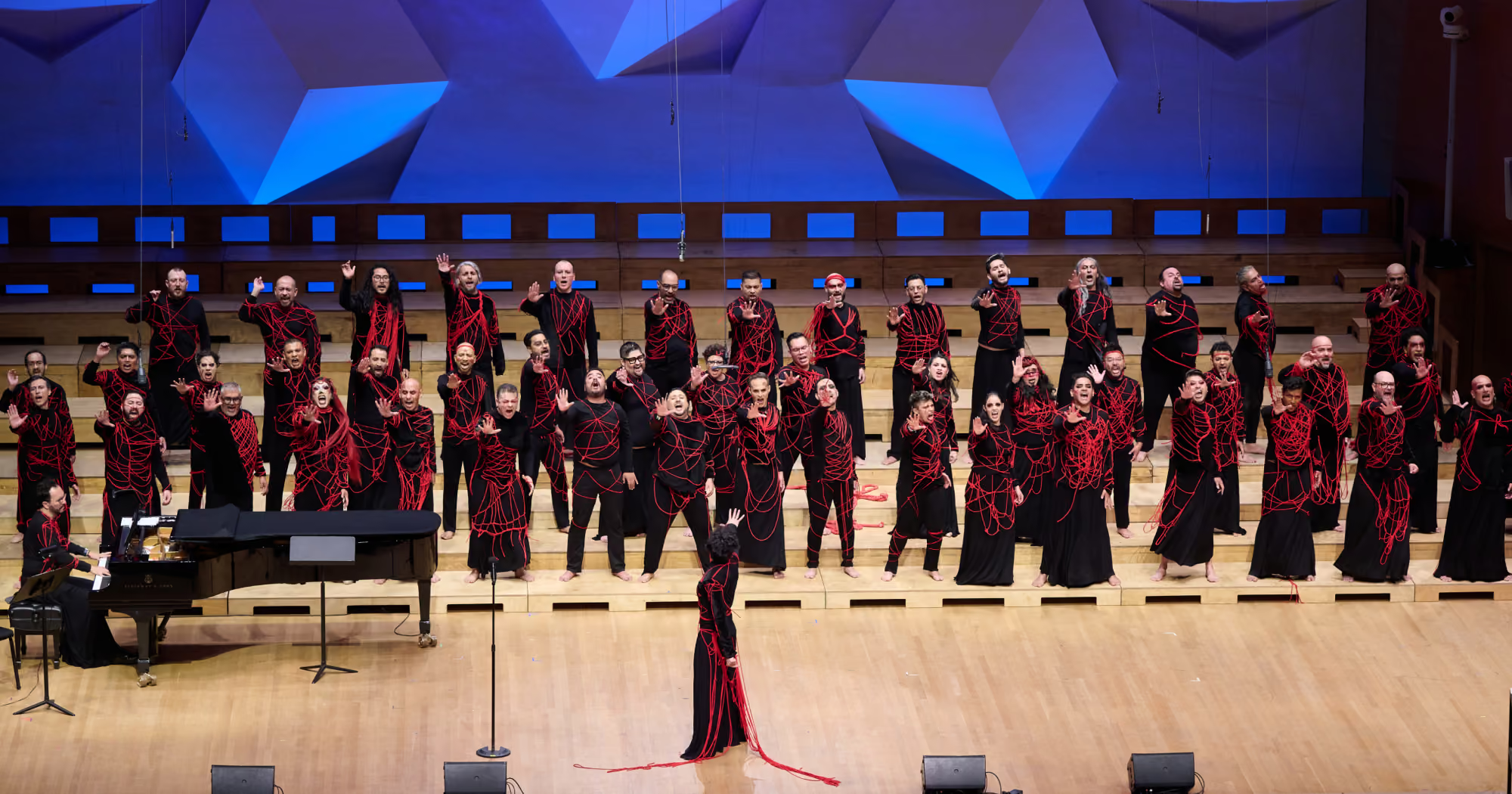
Our organization was incorporated in 1983, and many of our members are the longest standing LGBTQIA+ choruses still singing today, founded as early as 1975.
Our organization was incorporated in 1983, and many of our members are the longest standing LGBTQIA+ choruses still singing today, founded as early as 1975.
We are best known for our quadrennial Festival, the largest LGBTQIA+ choral event in the world. GALA Choruses also hosts an annual Leadership Symposium, and we offer a variety of support, networking, and publicity opportunities for our members.
We also produce multiple resources available to all in the LGBTQIA+ choral movement regardless of their membership in GALA Choruses. We created the A New Harmony workbooks to help foster equity, access, and belonging within community choruses. We publish both the Journal of Queer Choral Studies, an open access academic and practitioner publication, and the Queer Voices podcast, which highlights diverse perspectives across the movement and captures its oral history. In addition, we commission new music to expand the LGBTQIA+ repertoire and organize a digital resource library specific to the needs of LGBTQIA+ and allied social justice choruses.
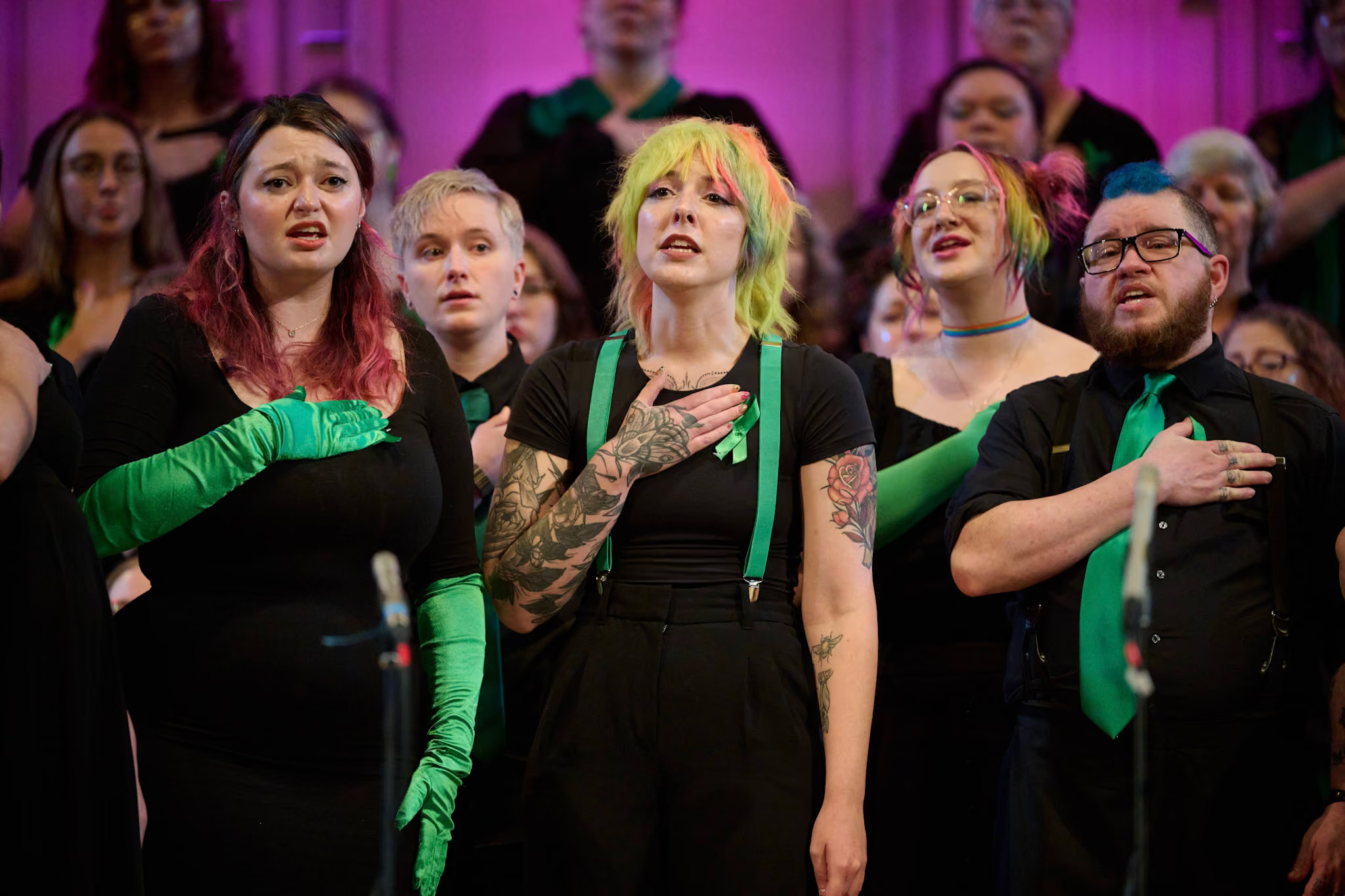
GALA Choruses supports, guides, and inspires LGBTQIA+ choruses and their allies to leverage the liberating power of singing to create harmony and equity for all.
A world where all voices are free.
GALA Choruses strives for gender neutrality with regards to language in recognition of the many genders represented within our choruses, singing sections, and the LGBTQIA+ community. Please keep these guidelines in mind when communicating within the GALA community.
There are gender-inclusive ways that you can address our community when speaking in a workshop or session. Words like “people,” “folks,” or simply “everyone” are more gender-neutral options (as opposed to “ladies and gentlemen”). Please refer to sections by voice part rather than gender, i.e.; “tenors and sopranos” rather than “men and women.”
We know that gender-specific language is a part of our culture and we don’t expect each individual to overcome years of conditioning overnight. We appreciate your effort to communicate in the most gender-neutral way possible.
When you support GALA Choruses, you support a global movement fostering understanding and hope for the LGBTQIA+ community.